
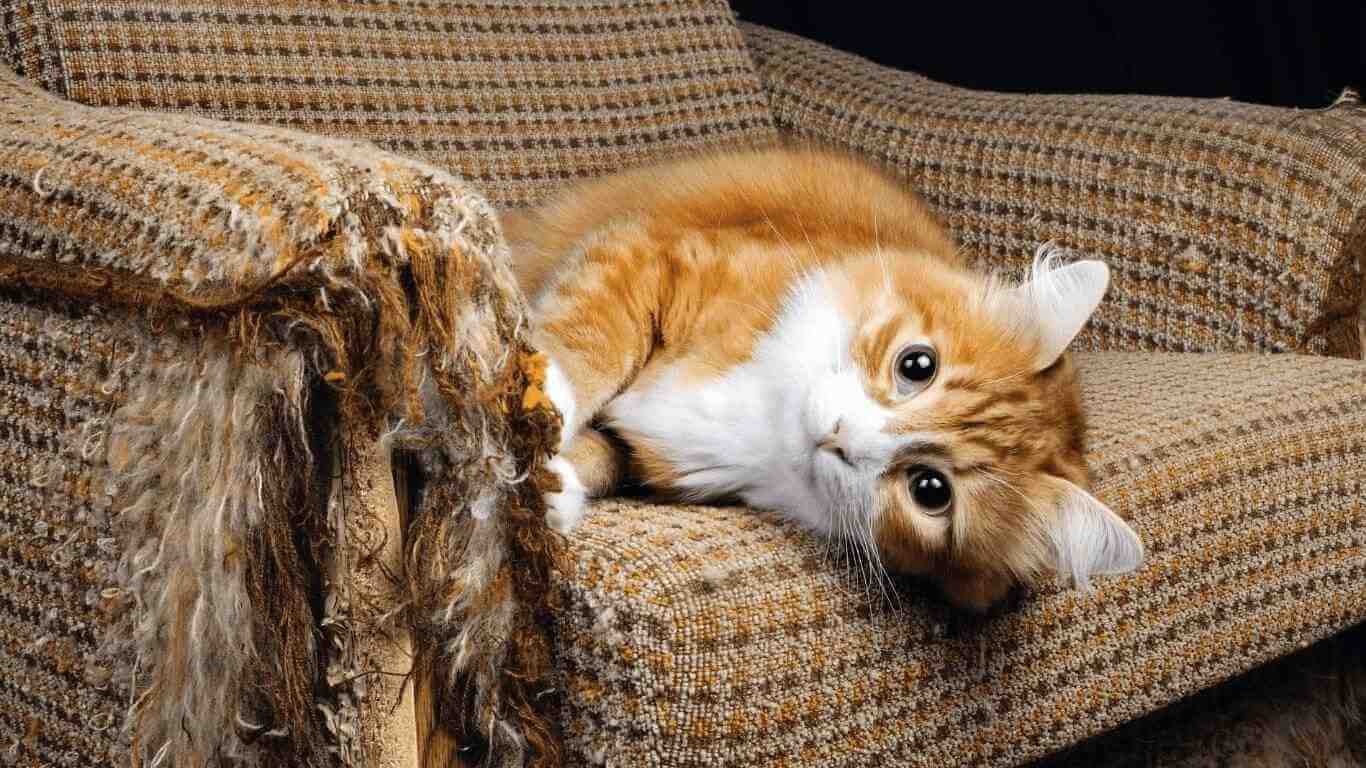
Living with pets in a rental sounds lovely in theory, until your couch starts shedding more than your cat or your dog treats the skirting boards like an afternoon snack.
As much as we adore our animals, we have to admit they have a knack for creating chaos in the most unexpected ways.
However, don’t start bubble-wrapping your furniture just yet. Whether you’re a first-time renter with pets or a seasoned pro, there are always ways to protect the property.
So, are you ready to learn them and make your rental as pet-proof as it is pet-friendly? Then read on!
Choose the Right Rental
If you’ve got a pet in tow, don’t just settle for any rental. Your life will be easier if you’re not constantly stressing about scratched floors or whether the neighbours will complain about barking.
Homes with tile or timber flooring are a great bet, since they can handle claws, spills, and zoomies. Even a small backyard or balcony gives your pet some space to sniff around and watch the birds.
And if the place has secure fencing and it’s in a pet-friendly neighbourhood, chances are your landlord is already on board with the fur-parent lifestyle.
That said, before you get too attached to that sunny living room, take a good look at the lease, especially anything involving pets. Some properties come with unexpected restrictions around the breed, size, or the number of animals allowed, and those details often hide in the fine print.
If you’ve got your pet’s vaccination records and council registration handy, that’s a big plus. It shows you’re organised and serious, which landlords tend to appreciate, particularly if they’ve met more chaotic applicants in the past.
Stock Up On Essentials
Pets need stimulation, but that doesn’t mean your coffee table should pay the price. So, if you want to avoid claw marks on the furniture and bite-sized dents in your bond, start with the right pet supplies.
For instance, a scratch-resistant bed will protect your floors from wear and tear, and solid, chew-proof toys will keep your furniture out of the line of fire.
And if your feeding setup tends to leave puddles, try switching to elevated bowls. They will keep things tidier and stop your floorboards from swelling and cracking.
Don’t forget also to purchase well-made grooming tools to reduce shedding and cut down the time you spend scrubbing fur out of your carpets.
While cutting corners on these items might seem clever at first, you’ll probably end up replacing shredded cushions or patching up scratched floors.
High-quality supplies cost more upfront, but they’re built to last, which means fewer emergency purchases and fewer repairs down the track. So, it’s not all about pampering your pet, even though they deserve it. It’s about protecting your home and your bond.
Pet-Proof Your Space
Pets don’t always understand what’s dangerous, which means it’s up to you to stay one step ahead. And, the more you protect them from everyday hazards, the less likely they are to cause accidental chaos.
Luckily, you don’t have to go for a full-scale redesign to keep your sidekick safe and make sure your home stays in good shape.
Start by stashing anything fragile, valuable, or chewable in places they can’t reach, because one curious leap can cost you your bond. You should also hide cables, especially if you’ve got a chewer with a taste for electricity.
Finally, you can set up a dedicated zone with their bed, toys, and food to contain the mess and give them a predictable, comfortable spot to unwind.
Clean Often
When you live with furry roommates, things can get out of control quickly if you skip cleaning for just a few days. Hair will start gathering in corners, the floors will feel gritty underfoot, and you’ll probably catch a faint whiff of wet dog mixed with last week’s kibble.
So, before fur becomes part of your carpet, vacuum it every day and use a steam cleaner when it needs a deeper refresh.
If your furball has an accident, clean it up straight away. Stains don’t wait, and neither should you. To make this a breeze, keep pet-safe cleaning products on hand.
That said, if you’re running out of time or energy, a tenancy cleaning service will handle the mess for you. They’ll save you the stress of last-minute scrubbing before an inspection and help you avoid costly repair bills over something as small as a stain.
Train Your Pet to Limit Damage
If your dog is still chewing chair legs or your cat sees the curtains as a personal gym, it’s time to intervene. Fortunately, positive reinforcement can work wonders.
A few treats, some consistency, and lots of praise go further than you’d think. Crate training also helps your pet feel secure, especially when adjusting to a new environment, and stops them from redecorating while you’re out.
Make sure they’re getting enough exercise, too. A tired dog is far less likely to destroy your skirting boards out of boredom.
Keep Your Landlord in the Loop
Before you and your pet settle into your new rental, you’ll want to have a proper chat with your landlord. Upfront communication clears the air early, so it’s your chance to reassure them that your furry sidekick won’t destroy the place.
Be honest and share the important details, like your pet’s breed, age, and temperament. Saying that you have a ‘quiet indoor cat’ when you’re housing a parkour-obsessed Bengal is not the way to build trust.
Also, let your landlord know what steps you’re taking to protect the property. You can mention the regular cleaning routine, couch covers, and scratch-proof mats that we’ve talked about.
If they’re still on the fence, offering a pet bond or agreeing to the occasional check-in can help ease their mind. You want them feeling reassured, not bracing up for trouble.
Conclusion
There’s no universal guide to being a perfect pet-owning tenant, but as it turns out, you don’t have to choose between your dream rental and your furry friend.
While there will be fur and the occasional puddle of drool now and then, you now have the tools and motivation to keep things in check.
So, fluff that throw cushion, light a candle, and enjoy the satisfaction of doing it all without a scratch on the walls.


