
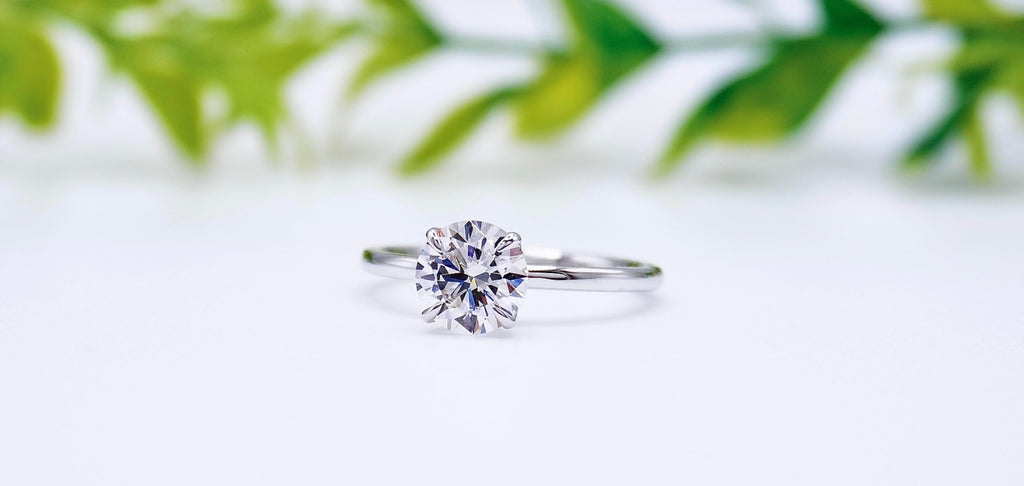
Diamonds have long been the ultimate symbol of love, beauty, and endurance. For centuries, they’ve adorned engagement rings, jewelry pieces, and even industrial tools. Today, however, there’s a revolutionary alternative reshaping the diamond market: lab-grown diamonds. These man-made gems, created in high-tech laboratories, are chemically and physically identical to natural diamonds. And just like their mined counterparts, they are graded using the universal standard known as the “4Cs” — cut, color, clarity, and carat weight.
In this article, we’ll explore the lab grown diamonds 4Cs in detail, how they compare to mined diamonds, and what buyers should know before investing in these ethically and environmentally conscious stones.
Table of Contents
What Are Lab-Grown Diamonds?
Lab-grown diamonds, also called man-made diamonds or synthetic diamonds, are produced using advanced technology that replicates the natural conditions under which diamonds form deep in the earth. There are two primary methods of creation:
High Pressure, High Temperature (HPHT)
This process mimics the natural geological formation of diamonds using intense heat and pressure.
Chemical Vapor Deposition (CVD)
This method involves breaking down carbon-rich gases in a chamber, where carbon atoms layer onto a diamond seed crystal.
The result? A diamond that is chemically, physically, and optically identical to one pulled from the earth. Unlike diamond simulants such as cubic zirconia or moissanite, lab-grown diamonds have the same brilliance, hardness, and durability as natural diamonds.
Why the 4Cs Matter
The 4Cs — cut, color, clarity, and carat weight — are the universal grading criteria established by the Gemological Institute of America (GIA). They determine a diamond’s overall beauty and value, regardless of whether the stone is mined or lab-created.
Understanding the lab grown diamonds 4Cs helps buyers make informed choices, ensuring they select a gem that balances sparkle, size, and budget.
Cut: The Sparkle Factor
The cut of a diamond doesn’t refer to its shape (round, oval, princess, etc.), but to how well it has been proportioned, faceted, and polished. A well-cut diamond reflects light beautifully, producing the fire and brilliance that diamonds are known for.
For lab-grown diamonds, cut is just as critical as it is for natural stones. In fact, some argue that man-made diamonds often achieve better cuts because they start with more uniform rough material. Jewelers can focus on precision cutting instead of working around irregularities often found in mined stones.
When shopping, look for cut grades such as Excellent or Ideal for maximum sparkle.
Color: Shades of Brilliance
Diamond color grading evaluates how colorless a stone appears, with the scale ranging from D (colorless) to Z (light yellow or brown). The less color present, the more valuable the diamond tends to be.
Lab-grown diamonds can sometimes display a slight yellow or brown tint due to trace elements in the growth process, though advanced technology now allows for high-quality, near-colorless stones. For buyers, this means it’s entirely possible to find beautiful lab-grown diamonds that rival or even surpass the color quality of many natural diamonds, often at a lower price point.
Clarity: Natural vs. Lab Inclusions
Clarity measures the presence of internal inclusions or surface blemishes. Since lab-grown diamonds form under controlled conditions, they generally have fewer inclusions compared to their natural counterparts. However, they may still show tiny metallic inclusions or growth patterns unique to the lab process.
The grading scale runs from Flawless (FL) to Included (I). For most buyers, diamonds in the VS (Very Slightly Included) or SI (Slightly Included) range strike the best balance between beauty and value, as inclusions are usually invisible to the naked eye.
Carat Weight: Size and Presence
Carat weight measures a diamond’s size and is often the most noticeable factor to buyers. Larger diamonds are rarer and more expensive, whether lab-grown or mined.
One of the advantages of man-made diamonds is that buyers can often afford larger carat sizes for the same budget compared to natural stones. A one-carat lab-grown diamond may cost 30–50% less than a mined equivalent, making it possible to purchase a bigger, more impressive stone without overspending.
How Lab-Grown Diamonds Compare to Natural Diamonds
While the grading criteria remain the same, there are some differences worth noting between mined and man-made diamonds:
- Price Advantage: Lab-grown diamonds are generally more affordable, offering better value per carat.
- Ethical Sourcing: They eliminate concerns about “blood diamonds” and unethical mining practices.
- Environmental Impact: Growing diamonds in a lab consumes energy, but typically far less than the ecological disruption caused by traditional mining.
- Resale Value: Natural diamonds traditionally hold higher resale value, though lab-grown stones are gaining recognition as demand grows.
These distinctions make lab-grown diamonds appealing to buyers who value sustainability, affordability, and transparency.
Shopping Tips for Buyers
If you’re considering investing in a lab-grown diamond, here are a few tips to guide your purchase:
✅ Check Certification
Always buy from reputable retailers that provide grading reports from recognized labs such as GIA, IGI, or GCAL.
✅ Prioritize Cut
A well-cut diamond will shine brighter than a larger, poorly cut one.
✅ Balance the 4Cs
Consider what matters most to you — size, sparkle, or color — and allocate your budget accordingly.
✅ Ask About Origin
Not all lab-grown diamonds are the same; ask whether the stone was produced via HPHT or CVD.
✅ Think Long-Term
While resale value may not be as strong as mined diamonds today, lab-grown options continue to gain legitimacy in the jewelry market.
The Future of Man-Made Diamonds
As technology advances, the quality and variety of lab-grown diamonds continue to expand. Jewelers now offer everything from colorless stones to fancy-colored options, such as blues, pinks, and yellows, which can be even rarer in nature. The industry is also innovating with sustainable practices, such as using renewable energy in diamond production.
Consumers are increasingly drawn to lab-grown diamonds not only for their affordability but also for the peace of mind they bring — knowing their purchase aligns with ethical and environmental values.
Conclusion
The lab grown diamonds 4Cs — cut, color, clarity, and carat — provide the same universal standard of beauty and value as mined diamonds. Understanding these qualities allows buyers to choose wisely, balancing sparkle, size, and budget while enjoying the many benefits of man made diamonds.
With growing popularity, lab-grown diamonds are no longer a niche choice but a mainstream alternative that offers brilliance without compromise. Whether you’re seeking an engagement ring or a statement piece, these gems provide timeless beauty paired with modern values.


